
Dynamic Sculpture: Meaning, Types, and Motion in Art
 judy
5 min read
Dynamic sculpture uses real movement or the visual impression of movement to make a form feel active. A wind-driven sculpture may rotate; a fixed figure can suggest motion through its pose, curves, or changing reflections. Understanding that difference helps you choose the right artwork for a garden, plaza, or building.
This guide explains how motion works in sculpture, where kinetic art fits, and what to consider when selecting a piece for an outdoor space.
What Is Dynamic Sculpture?
A dynamic sculpture is a work that conveys energy or movement. The movement may be physical, with parts that turn, sway, or shift, or visual, created by shape, posture, light, and the viewer’s changing position. The term describes an effect rather than one material or mechanism.
Kinetic sculpture is the more specific term for work with actual moving parts. Every kinetic sculpture has physical motion, while a dynamic-looking sculpture can remain completely still.
| Type | How motion appears | What to check |
|---|---|---|
| Kinetic sculpture | Parts physically move through wind, water, or a powered mechanism. | Movement range, support, safety, and maintenance access. |
| Static sculpture with visual movement | Lines, curves, pose, or reflections suggest motion while the structure stays fixed. | Viewing angles, lighting, and placement. |
| Interactive or hybrid installation | Movement, reflection, light, or viewer participation work together. | How people approach and experience the piece. |
How Is Motion Created in Sculpture?
Real movement: wind, water, and mechanisms
In a kinetic sculpture, moving elements change position over time. Wind can turn or sway a form; water can provide visible movement around a structure; and a powered mechanism can produce a controlled sequence. The design needs to account for the forces involved, the intended movement range, and access for inspection. A photograph can show the shape, but video is much better for judging the movement itself.

The customer photo above shows a large kinetic sculpture. When assessing a similar project, ask to see the movement from more than one angle and confirm the installation and maintenance requirements for the specific design.
Implied movement: form, posture, and reflection
A fixed sculpture can still feel dynamic. A rising curve suggests a path through space; an off-center pose can imply a moment before or after action. Reflective surfaces add another layer: the surroundings change across the metal as the viewer walks past, even though the work does not move.

This mirrored water drop sculpture uses a flowing outline and reflections to create visual movement. It is an example of dynamic appearance, not evidence that the sculpture has moving parts.

The abstract figures above suggest motion through shape and posture. When comparing examples, distinguish that visual effect from an engineered kinetic mechanism.
Dynamic Sculpture vs. Static Sculpture
The key question is whether any part of the artwork actually changes position. A static sculpture may look energetic, but its components remain fixed. A kinetic sculpture changes physically. Both can work in contemporary art and architecture; the better choice depends on the experience you want visitors to have and the conditions of the site.
For a narrow entrance or an area close to pedestrians, a fixed form can provide a sense of movement without moving components. A spacious plaza or garden may accommodate a kinetic piece when its movement, clearance, and maintenance needs have been planned into the site.
Why Use Stainless Steel?
Stainless steel can be formed into curves and polished to reflect light and surroundings, which makes it useful for both kinetic and static dynamic designs. For outdoor projects, material selection should match the environment, especially where moisture or salt exposure is a concern. A moving design also needs suitable connections, support, and a maintenance plan; material choice alone does not solve those requirements.

This diving figure shows how a fixed stainless steel pose can communicate action. Its visual movement comes from the form rather than a motor or wind-driven component.
Choosing a Dynamic Sculpture for an Outdoor Space
- Decide what kind of motion you need. Choose actual movement only if it supports the experience and the site can accommodate it.
- Review the site. Consider wind exposure, pedestrian distance, viewing angles, lighting, and available space.
- Ask for project evidence. For kinetic work, request a movement video and details of the mechanism and maintenance access. For a fixed work, review views from the main approach routes.
- Plan the finish and upkeep. Confirm the surface finish, environmental exposure, cleaning approach, and inspection needs before fabrication.
Frequently Asked Questions
Does dynamic sculpture always move?
No. Dynamic sculpture can have real motion or suggest movement through form and visual effects. Kinetic sculpture specifically has moving parts.
What is the difference between kinetic and static sculpture?
A kinetic sculpture changes position physically. A static sculpture stays fixed, although its shape, pose, or reflections may make it appear active.
Can a sculpture show motion without a motor?
Yes. Wind or water can provide physical movement, while curves, posture, and changing reflections can create the impression of motion without any moving components.
Conclusion
Dynamic sculpture can make a space feel active through movement or through the suggestion of movement. Start by deciding which effect you want, then assess the artwork against the site’s viewing conditions and practical requirements. To discuss a custom stainless steel design, contact YouFine with the site location, approximate dimensions, and examples of the movement or visual effect you prefer.
judy
Sculpture artist and content contributor at YouFine Sculpture, sharing insights on metal art, craftsmanship, and creative process.
View All Posts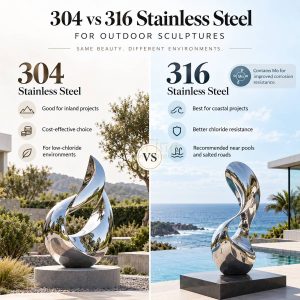
304 vs 316 Stainless Steel for Outdoor Sculptures: Do You Really Need 316?
Short answer: For most inland outdoor locations, 304 stainless steel is a sound choice. 316 earns its higher...
Read More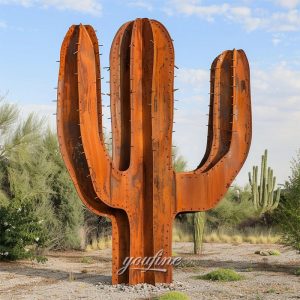
How Long Does Corten Steel Sculpture Last?
The Corten steel sculpture can last 50-100 years in general. This is not a random number. It is...
Read More
What is contemporary sculpture made of?
Contemporary sculpture doesn’t really follow strict traditional boundaries anymore. Instead of focusing only on realistic forms, many modern...
Read More